







Search Results for: origin flavor
What Is SOE Single-Origin Espresso? Flavor Performance and Bean Selection Tips for Making Espresso with Yirgacheffe Single-Origin Beans
In the specialty coffee world, pour-over usually uses single-origin beans, while espresso mostly uses blends. But can single-origin beans be used to make espresso? The answer is yes—this practice is called SOE (Single Origin Espresso). Because the high-pressure extraction of an espresso machine amplifies the flavor characteristics of the coffee beans, SOE can both highlight origin personality and easily expose flaws. In this article, Front Street Coffee will systematically explain the definition of SOE, its differences from blends and pour-over single-origin beans, key points of roasting and extraction, and recommend coffee beans suitable for making SOE, such as Yirgacheffe Natural Red Cherry, along with specific extraction parameters and flavor descriptions. [more…]
A Comprehensive Analysis of 21 Common Single-Origin and Espresso Specialty Coffee Varieties and Their Flavor Profiles
As the specialty coffee wave continues to deepen, more and more enthusiasts are beginning to explore the coffee flavors of different origins. Compiled by Front Street Coffee, this article systematically introduces common single-origin coffees and espresso types along with their flavor characteristics. The content covers seven major origins of everyday beans, including Ethiopian Yirgacheffe, Brazilian Cerrado, Colombian Huila, and Indonesian Mandheling, as well as four espresso blends: Warm Sun Blend, Specialty Blend, Commercial Blend, and Dark Cocoa Blend. Each coffee is labeled with its country, region, altitude, variety, processing method, and flavor description, helping beginners quickly build an understanding of origin flavors while also appreciating the importance of fresh roasting to quality. [more…]

SOE Espresso Beginner's Guide: Flavor Characteristics of Single-Origin Espresso and the Yirgacheffe Red Cherry Case Study
In the specialty coffee world, pour-over usually uses single-origin beans, while espresso mostly uses blends. So can single-origin beans be used to make espresso? The answer is yes—this form is called SOE (Single Origin Espresso). In this article, Front Street Coffee will guide you through the definition of SOE, its flavor characteristics, the differences between SOE and blends as well as pour-over single-origin beans, and analyze why SOE output consistency is difficult to control. At the same time, Front Street will also share ideas for choosing coffee beans suitable for making SOE, and use Ethiopia Yirgacheffe Natural Red Cherry as an example to provide specific extraction parameters and flavor descriptions, helping you understand this unique coffee category more comprehensively. [more…]
How Does SOE Single-Origin Espresso Differ from Espresso Blends? From Flavor Characteristics to Front Street Coffee Bean Recommendations
SOE stands for Single Origin Espresso. It differs noticeably from traditional Italian blends in terms of flavor logic, roasting orientation, and extraction difficulty. From the perspective of Front Street, this article sorts out the definition, advantages, and production challenges of SOE, compares it with blended coffee beans, and offers specific SOE bean recommendations for three flavor directions—fresh and sweet, nutty and balanced, and rich with no acidity—such as Front Street Sun-Dried Red Cherry, Brazil Queen Estate Yellow Bourbon, and PWN Golden Mandheling. It also answers the question of whether high-quality SOE coffee beans can be used for pour-over, helping coffee enthusiasts gain a more comprehensive understanding of the relationship between single origin espresso and pour-over. [more…]
How is SOE different from espresso blends and pour-over single-origin coffees? A comprehensive analysis from flavor stability to extraction parameters
In recent years, the specialty coffee trend has driven the popularity of SOE, and many coffee enthusiasts are curious about how it differs from pour-over single-origin and traditional espresso blends. From the perspective of Front Street Coffee, this article first clarifies the definitions and roasting differences between single-origin coffee and SOE, then explains why SOE flavors tend to fluctuate and why Front Street has long favored blends and single-origin coffees, and finally provides specific brewing parameters and flavor descriptions for the sun-dried Huakui SOE and Front Street's classic blend, helping you judge whether SOE americano is actually good and how to make it at home without messing it up. [more…]
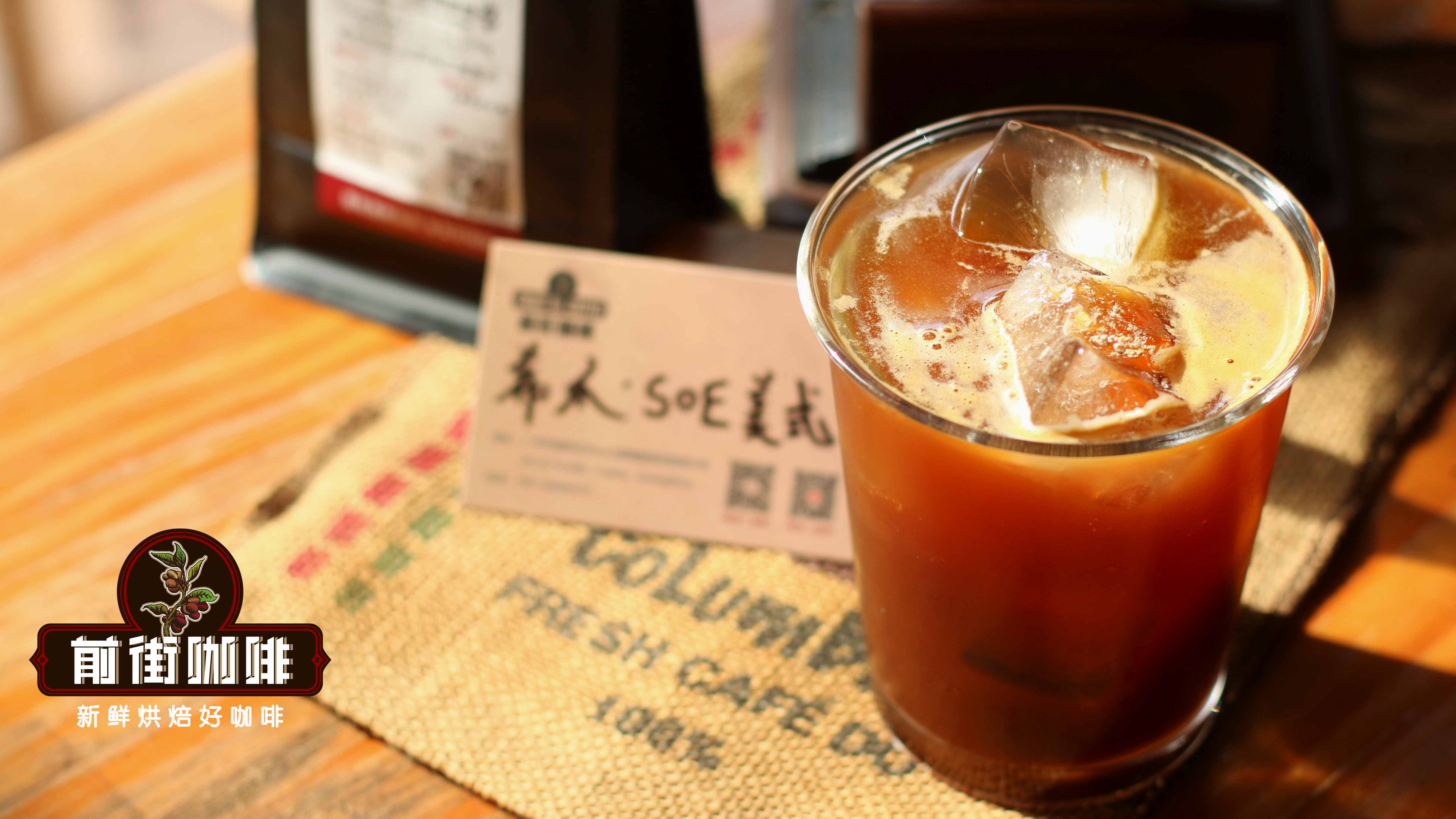
Single-Origin Espresso Bean Recommendations | Is SOE Coffee Related to Pour-Over? What's the Difference in Flavor Characteristics Between SOE Coffee Beans and Espresso Blend Coffee Beans?
For more specialty coffee knowledge, please follow: Front Street Coffee (Frontsteet Coffee). SOE stands for Single Origin Espresso, where origin refers to a single producing region, while Blend refers to blended coffee beans. Front Street Coffee (FrontStreet Coffee) [more…]
What is the connection between SOE and pour-over? A comprehensive interpretation of the flavor differences in espresso blend beans
SOE is the abbreviation of Single Origin Espresso, that is, single-origin espresso, which stands in contrast to traditional espresso blends. As the specialty coffee wave advances, more and more cafés are putting SOE on their menus. It emphasizes highlighting the distinctive flavors of a particular origin, making it easier for consumers to connect with the place of origin. However, SOE is not absolutely superior to blends; each has its own suitable scenarios: SOE excels in clarity of flavor, yet places extremely high demands on roasting and extraction techniques; blends achieve balance and stability by complementing one another's strengths. In this article, Front Street breaks down in detail the definition, advantages, and difficulties of SOE, and compares it with espresso blend coffee beans. It also recommends several coffee beans suitable for making SOE, including Natural Red Cherry, Brazil Queen's Farm Yellow Bourbon, and Golden Mandheling, and finally answers whether SOE coffee beans can be used for pour-over. [more…]
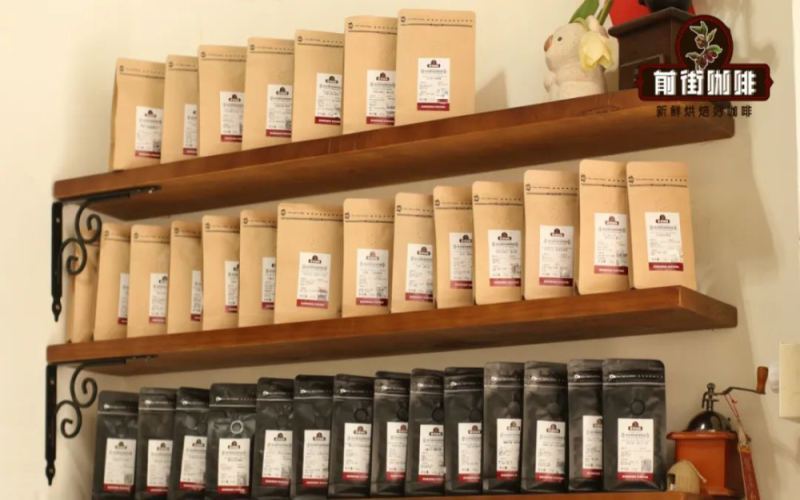
How to Choose Between Single-Origin, SOE, and Espresso Blend Coffee Beans? A Full Breakdown of Uses, Roasting, and Flavor Differences
Many coffee enthusiasts encounter a common confusion when selecting beans: what exactly is the difference between single-origin, SOE, and espresso blends? What scenarios does each suit? In fact, single-origin coffee beans emphasize traceable regional flavors, SOE is espresso made from single-origin beans, and blends are more like a creative combination that can both complement strengths and weaknesses and create entirely new flavors. From the perspective of Front Street, this article breaks down in detail the differences among the three in terms of definition, roasting logic, and practical uses, helping you more clearly understand the positioning of each type of bean and avoid falling into the misconception that "SOE is necessarily more premium than blends." [more…]
A Beginner's Guide to Single-Origin Coffee: From Origin to Flavor, a Detailed Explanation of 15 Common Specialty Coffee Beans and Recipe Ratios
Single-origin coffee refers to pure coffee made from coffee beans of a single origin, usually without milk or sugar, in order to showcase the terroir of the origin itself. From Jamaican Blue Mountain to Hawaiian Kona, from Ethiopian Mocha to Indonesian Mandheling, each producing region has its own signature flavor imprint. This article will systematically sort out the origins, flavor characteristics, and drinking features of 15 common specialty coffee beans, and also include blending ratios for four representative types of single-origin beans—acidic, bitter, full-bodied, and mild—to help coffee lovers build a clear cognitive framework for single-origin coffee and find the cup that suits them. [more…]
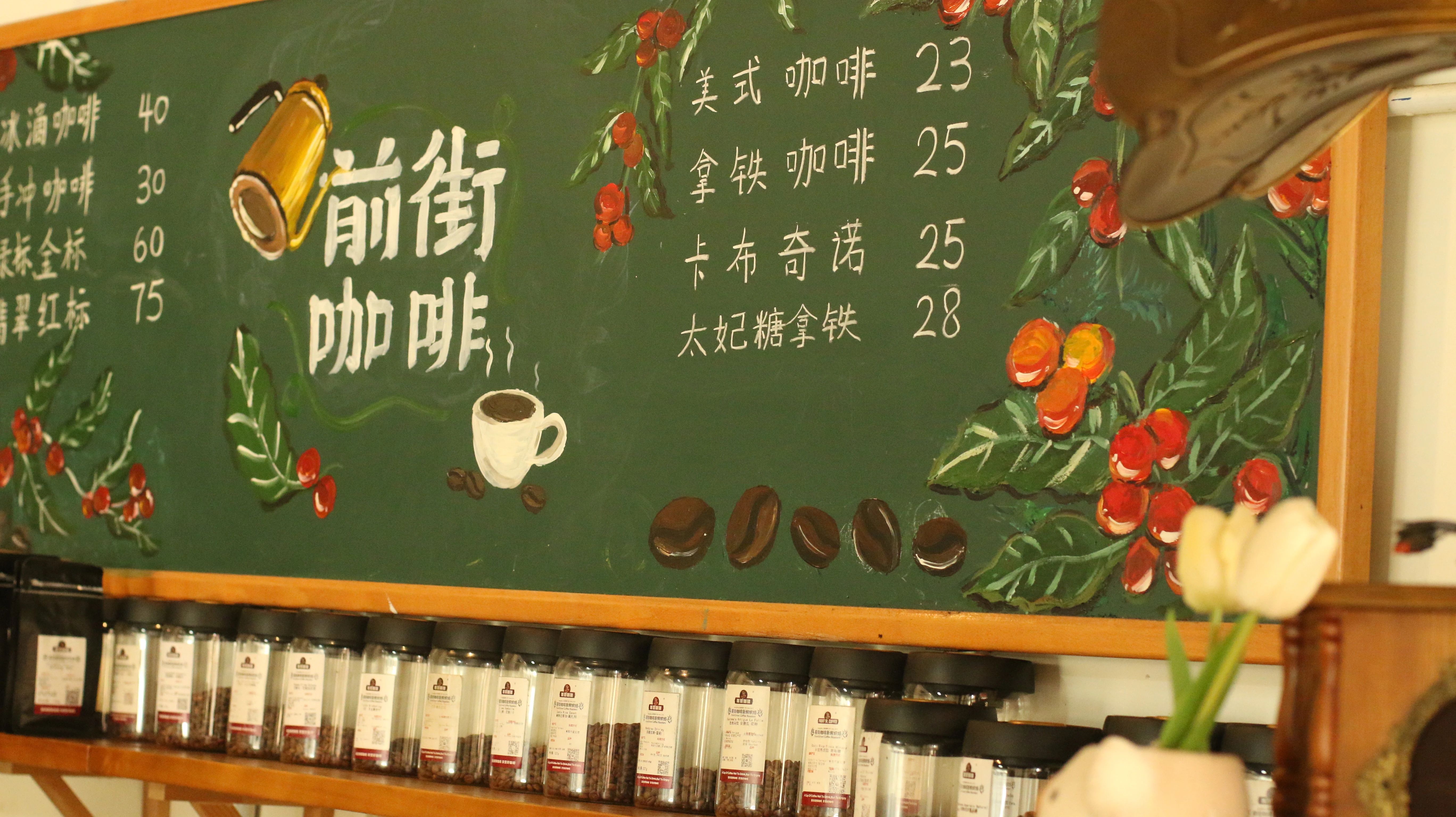
SOE Single-Origin Espresso: A Detailed Guide to Flavor Characteristics, Suitable Drinks, and Extraction Parameters
SOE stands for Single Origin Espresso, which is espresso made from a single-origin coffee. It involves using single-origin beans typically used for pour-over and extracting them under high pressure in an espresso machine, resulting in espresso with amplified flavors. Due to factors such as roast level, grind size, and changes in bean crop year, the consistency of SOE output is difficult to control, so beans that can highlight the basic flavors of their region are usually chosen. This article will introduce the concept of SOE, its flavor characteristics, suitable drinks to make with it (Americano, latte, etc.), and use "Front Street · Huakui" as an example to share specific extraction parameters and preparation process, helping coffee enthusiasts more clearly understand the methods and charm of SOE. [more…]
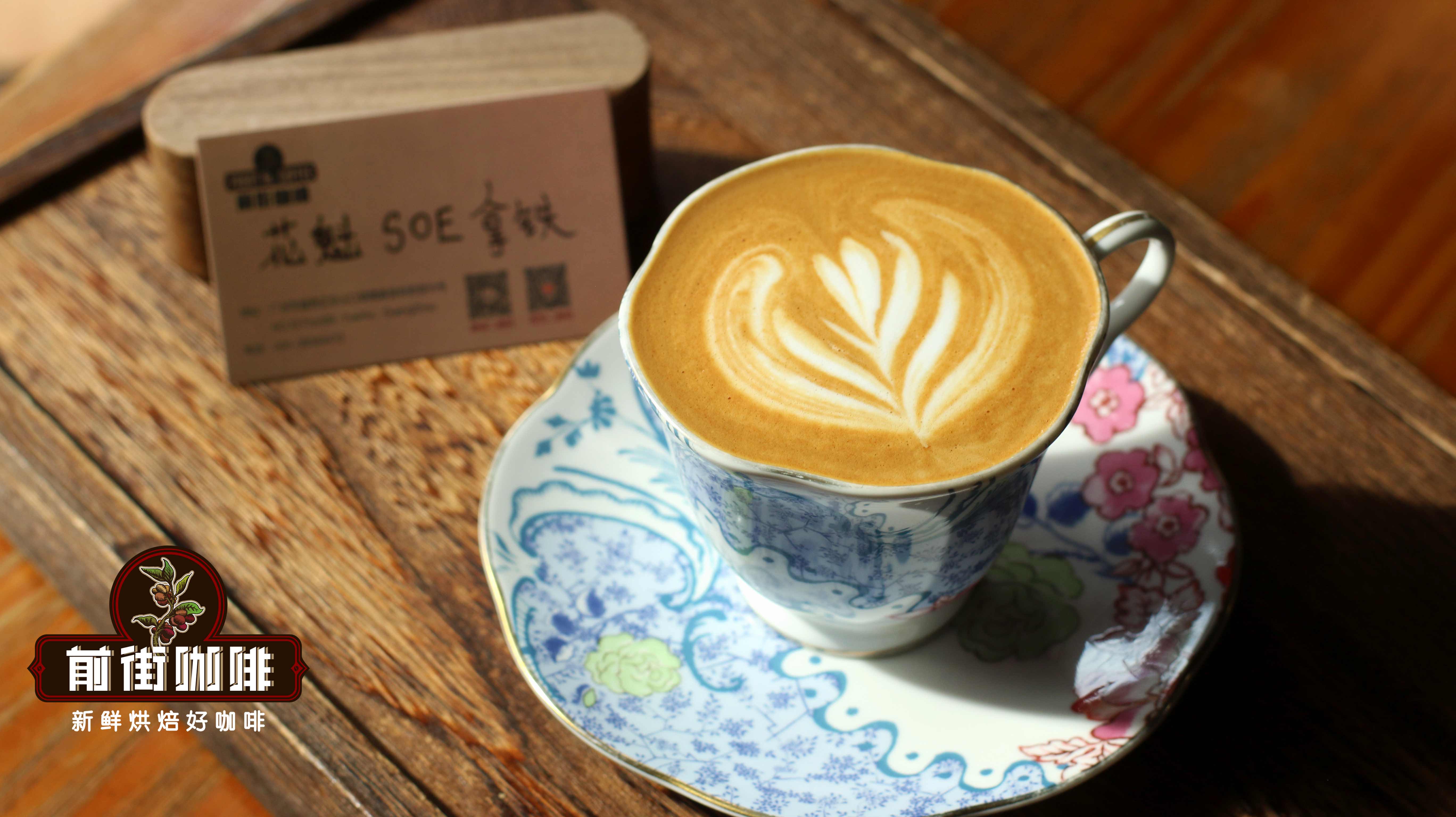
SOE Espresso Flavor Analysis: Single-Origin Beans vs. SOE Differences and Suitable Coffee Bean Selection
SOE (Single Origin Espresso) refers to espresso made from a single origin of coffee, and in recent years it has entered the public eye along with the specialty coffee wave. Many coffee enthusiasts often ask why Front Street Coffee does not offer SOE drinks, and behind this lie considerations of output consistency and flavor control. Starting from the definition of SOE, this article will analyze its essential differences from single-origin coffee, explain how high-pressure extraction amplifies the flavor characteristics of a producing region, and explore the types of coffee beans suitable for making SOE—such as distinctive African natural beans or specially processed beans from Central and South America. At the same time, the article will also sort out practical points such as roasting curve settings, extraction parameter adjustments, and milk ratio pairing, to help readers fully understand the charm and limitations of SOE coffee. [more…]
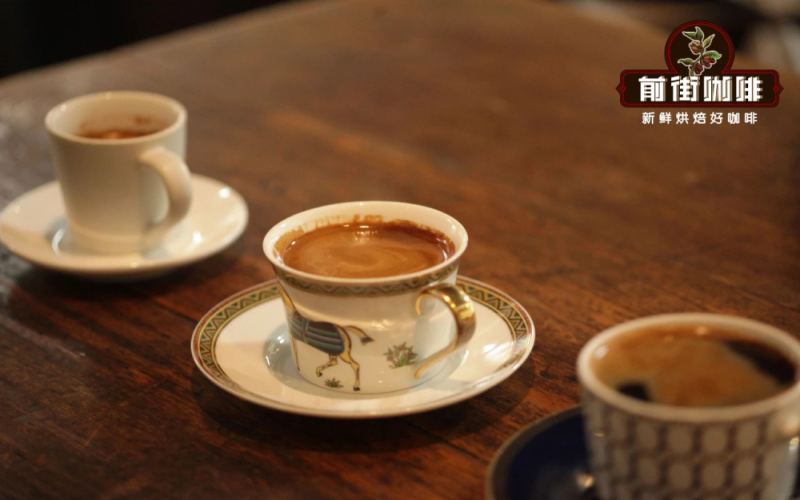
How Do Espresso Beans Differ from Single-Origin Beans? A Comprehensive Analysis from Blending Principles to SOE
Friends who often drink lattes and cappuccinos may never have thought that the coffee beans used in these drinks and the single-origin beans for pour-over actually follow two different paths. Espresso beans usually refer to the beans used to make Espresso, most of which are blends of coffee from multiple origins in specific proportions, though there are also SOEs made from single-origin beans. Single-origin coffee beans emphasize traceability to a single origin or variety, and are suitable for pour-over, cold drip, and similar methods. The two differ in bean selection, roast level, and flavor expression, and understanding their differences will help you make a more suitable choice based on your own taste and equipment. Starting from Front Street Coffee's actual products, the following article breaks down layer by layer the logic of espresso blending, the characteristics of SOE, and the impact of freshness on flavor. [more…]
What is single-origin coffee? From the concept of growing regions to roasting and brewing, understanding the core differences between single-origin and blended coffee
On coffee shop menus, the term "single-origin coffee" is appearing more and more often, but do you really understand it? Many people assume that choosing coffee beans from a certain country makes it single-origin, but true single-origin coffee emphasizes a specific producing region—that is, the very source of a cup of coffee. It stands in sharp contrast to blended coffee—the latter is made by roasters mixing beans from different origins in pursuit of a balanced flavor, while single-origin focuses on presenting the unique character of one producing region. However, today the flavor of single-origin coffee also incorporates the roaster's personal style, and is no longer entirely equivalent to the original taste of the producing region. This article will help you sort out the definition of single-origin coffee, the distinction between it and the specialty coffee classification, and explore how roast level and brewing method affect the final flavor in the cup, helping you have more direction the next time you order. [more…]
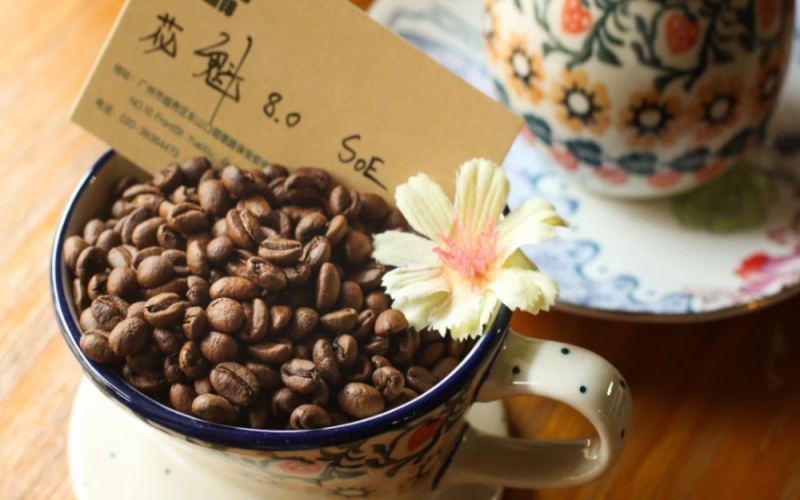
What Is SOE Espresso? How Is It Different from Pour-Over Single-Origin Beans? Understanding Single-Origin Espresso in One Article
In recent years, SOE espresso has become increasingly common in the specialty coffee scene, yet many people remain confused about its full name, its definition, and its relationship to single-origin beans used for pour-over. SOE is short for Single Origin Espresso, referring to espresso made from a single origin. It is not synonymous with specialty coffee, but the high-pressure extraction of an espresso machine makes the flavors of the origin more pronounced. However, a single origin also means that flaws can easily be magnified, so bean selection, roasting, and grinding all require particular care. From the perspective of Front Street Coffee, this article sorts through the origins of the SOE concept, its differences from espresso blends, recommendations for coffee beans suitable for SOE, and shares specific extraction parameters and production considerations, giving you a comprehensive understanding of this trend. [more…]
What Exactly Is Single-Origin Coffee? A Comprehensive Guide from Origin Concepts to Roasting and Brewing Methods
The term "single-origin coffee" is appearing more and more often on café menus, but many people's understanding of it still stops at the level of "picking a country." In fact, single-origin coffee emphasizes the coffee's place of origin, forming a sharp contrast with blended coffee. Starting from the definition of single-origin coffee, this article will sort out its differences from espresso blends, the influence of roaster style on flavor, the logic behind choosing different roast levels, and the flavor differences brought by brewing methods such as the espresso machine, AeroPress, pour-over, and siphon, helping you have a clearer sense of direction the next time you order at a café. [more…]
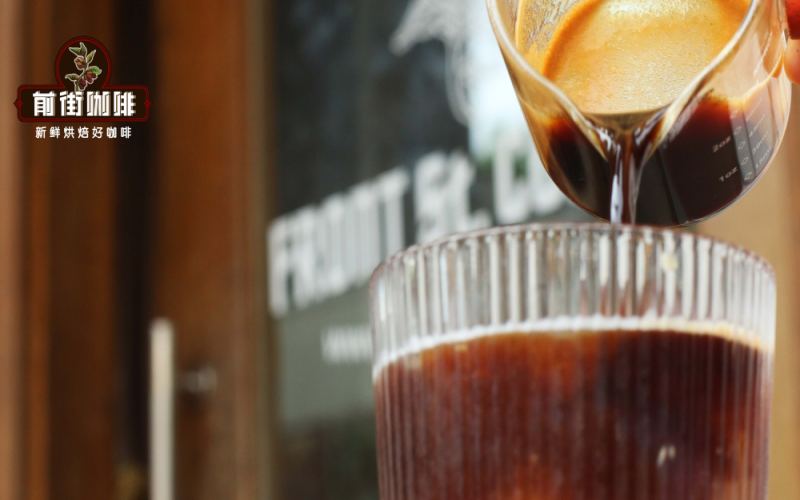
SOE Latte Flavor Characteristics | What Is the Relationship and Difference Between SOE Coffee Beans and Pour-Over Single-Origin Beans? Which Tastes Better, Blended Espresso or Single-Origin Espresso?
For more specialty coffee knowledge, please follow our WeChat public account: FrontStreet Coffee. Some people believe that espresso made from single-origin coffee beans (SOE/Single Origin Espresso) must necessarily be better than [more…]
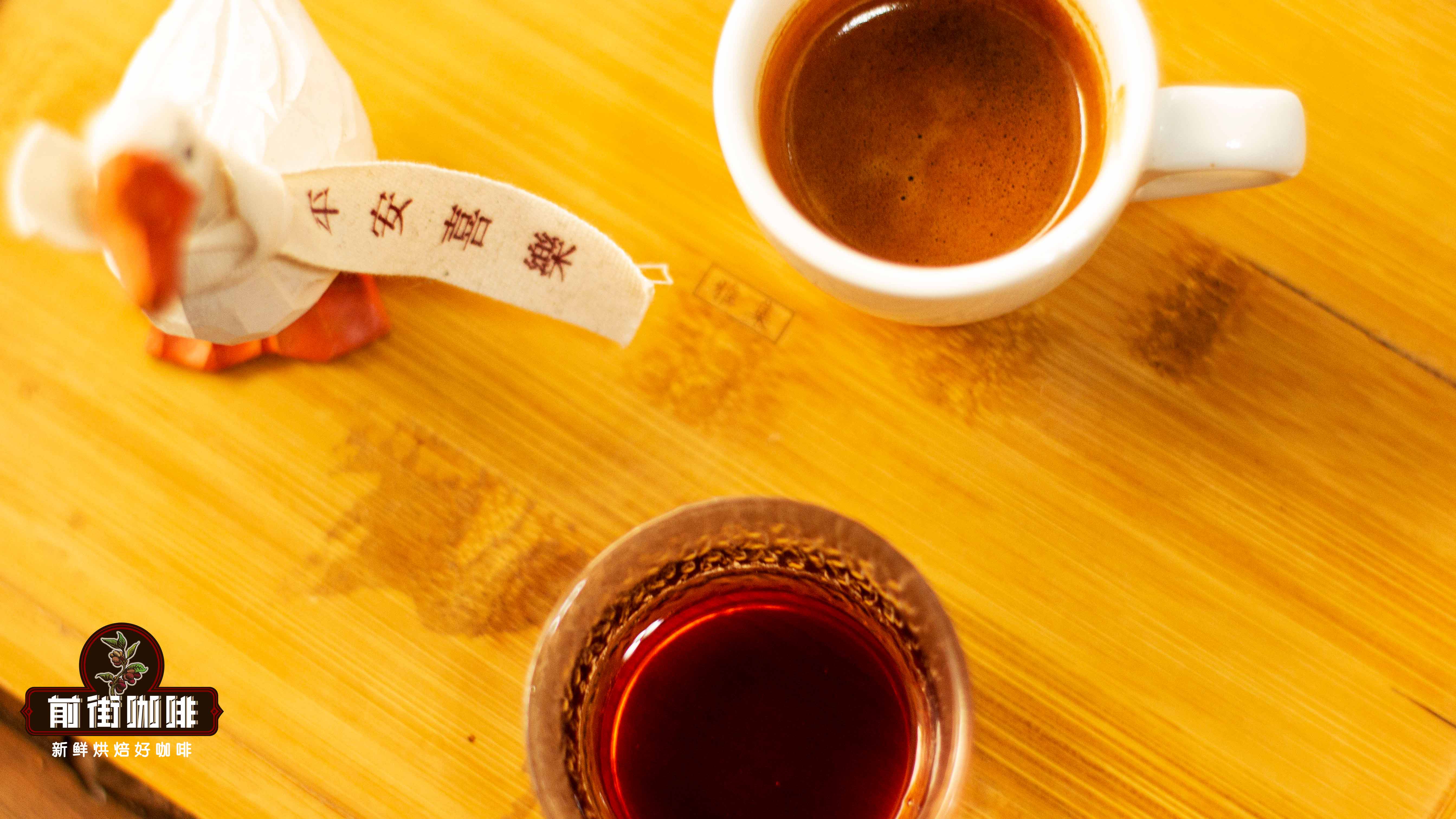
What Is SOE Single-Origin Espresso? Can It Be Brewed by Pour-Over? A Full Analysis of Its Origins, Flavors, and Mouthfeel
In recent years, SOE coffee has become increasingly common in the specialty coffee scene, and many cafés even feature it as their signature product. So what exactly does SOE mean? How does it differ from traditional espresso blends? Can single-origin coffee beans be used for pour-over? Starting from the definition of SOE, this article will sort out how it differs from blended coffee in terms of bean selection philosophy, roasting approach, and flavor expression, and, using specific beans such as Front Street Coffee's Yirgacheffe, Kenya, Huakui, and Brazil Queen's Farm, explain the respective characteristics of floral-and-fruity SOEs and chocolate-and-nutty SOEs. It will also discuss whether SOE is necessarily tastier than blends, as well as the freshness and extraction points to note when making SOE. [more…]
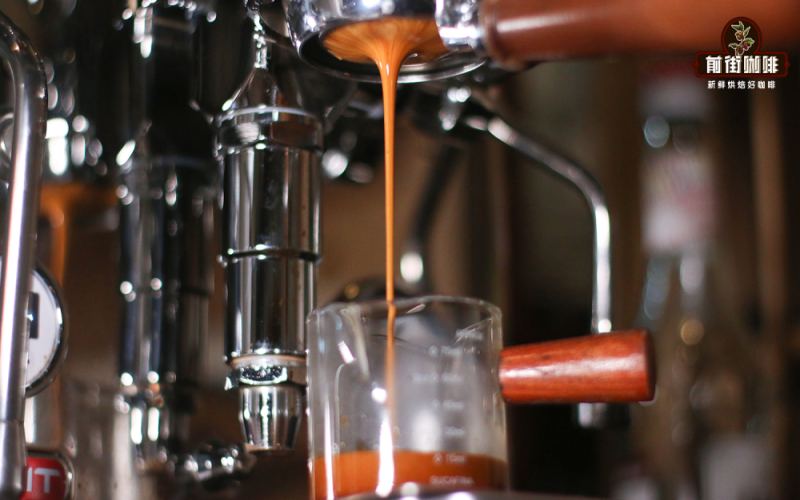
SOE Espresso Flavor Characteristics | What Is the Difference Between Italian Blend Beans and SOE Single-Origin Coffee? Is SOE Coffee Better Tasting Than Traditional Italian Coffee?
For more specialty coffee knowledge, please follow our WeChat public account: Front Street Coffee (FrontStreet Coffee). With the advancement of coffee specialization, SOE has gradually become popular. So what is SOE? Is SOE coffee tastier than blended coffee? Now Front Street Coffee (Fron [more…]
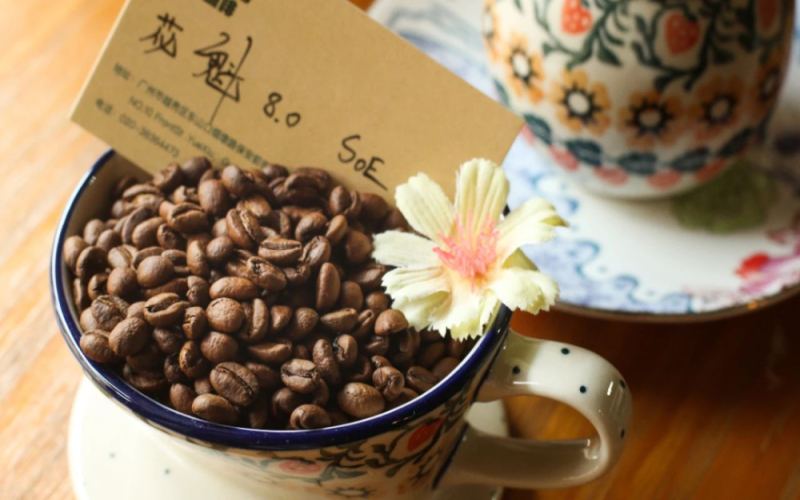
SOE Single-Origin Espresso | Which pour-over single-origin beans are suitable for making SOE coffee? What are the differences between single-origin pour-over and single-origin espresso?
SOE is one of the most popular products in today's specialty coffee shops and coffee chains. It is an espresso extracted from single-origin (single-origin) coffee beans. Its characteristic is that even at a very high concentration, the coffee liquid can still express the unique flavor profile of the coffee's origin. [more…]
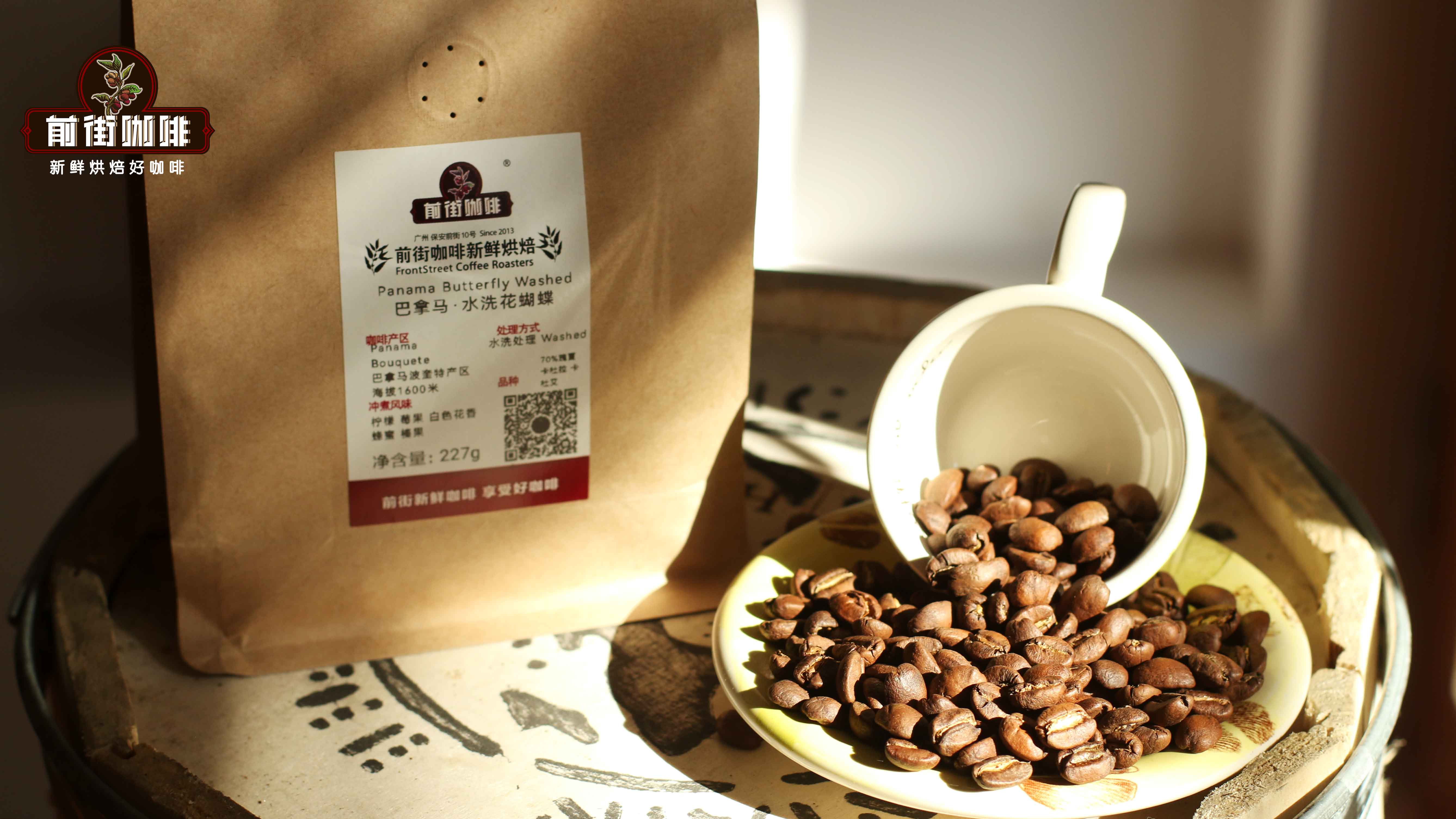
Global Top Ten Specialty Single-Origin Coffee Beans Flavor Guide: Origins, Varieties, Processing Methods, and Buying Tips
The charm of single-origin coffee beans lies in the fact that each one carries the terroir imprint of a specific producing region. From Panama Boquete's Butterfly to Jamaica Blue Mountain No. 1, this article systematically reviews ten representative specialty coffee beans from around the world, covering origin information, growing altitude, varietal composition, processing methods, and flavor performance. Whether you are a beginner just getting into pour-over or a seasoned connoisseur looking for everyday beans, you can find the one that suits your taste. The article also includes corresponding product recommendations and brewing suggestions from the Front Street Coffee brand to help you make your choice more efficiently. [more…]